
The Physiology of Confidence: How Posture, Movement, and Breathing Shape Your Mindset
Confidence is not only a psychological state, but also a physiological experience. Body posture, movement, and breathing patterns not only reflect psychological states but also directly influence cognitive and emotional responses in the brain. Research shows that by adjusting physical behaviors, people can unconsciously boost confidence, reduce anxiety, and enhance resilience. This article explores how the body shapes the mind, drawing on the intersection of physiology and psychology, and offers practical and actionable strategies to optimize the expression of confidence.
The power of posture: How body language influences the mind
Body posture is the most intuitive external manifestation of confidence or lack of confidence. Psychologists and neuroscience research indicate that an open, upright posture activates the reward circuit in the brain, while a crouched or closed posture increases feelings of stress.
1. The psychological effects of open posture
An open posture includes relaxed shoulders, a straight back, and hands resting naturally. This type of posture can:
Enhance self-perception : Standing up straight sends a signal of “self-control” and improves your subjective sense of control.
Reduces anxiety : Open postures reduce the release of the stress hormone cortisol, thereby reducing tension and fear.
Improves your impression of others : In social or work situations, an open posture conveys confidence and authenticity, helping to create positive interactions.
2. Closed posture and psychological inhibition
Closed postures, such as hunching over, folding arms, or lowering the head, can lead to:
Decreased self-worth : The body’s contraction signals are interpreted by the brain as “withdrawal,” exacerbating self-doubt.
Negative emotions : Closed postures may reinforce negative emotions and form a negative cycle of psychology and behavior.
Weakened social signals : Others may sense tension or defensiveness, affecting the quality of interpersonal interactions.
Movement patterns and psychological adjustments
Not only static posture, but also the rhythm and amplitude of body movements can affect psychological state. Movement is not only an external expression, but can also change brain activity through feedback mechanisms.
1. Activation Effects of Large-Amplitude Movements
Quick, defined, large movements, such as gesturing for emphasis and increasing stride length when walking, can:
Activate the confidence circuit : Neuroscience research shows that active exercise stimulates dopamine secretion and enhances positive emotions.
Improve decisiveness in decision-making : Physical movement enhances the sense of energy, making thinking more agile and reactions faster.
Enhance external influence : Confident expression through big gestures is particularly effective in speeches and negotiations, allowing others to perceive your leadership and authority.
2. Micro-movements and fine-tuning of emotions
Micro-movements such as making eye contact, smiling, tapping fingers, or controlling breathing rhythm can:
Strengthen self-awareness : perceive your own state through micro-movements and promote psychological adjustment.
Reduce tension : Fine movements synchronized with breathing can trigger the parasympathetic nervous system and relieve stress.
Enhance social affinity : Appropriate micro-movements can enhance others’ favorability and promote cooperation and trust.
The connection between breathing and the nervous system
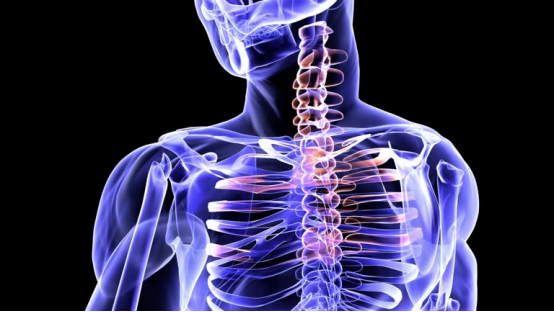
Breathing is a crucial interface between consciousness and the unconscious, significantly impacting our mental state. Breathing patterns can directly regulate the autonomic nervous system, thereby altering our emotional experiences.
1. Deep breathing and autonomic nervous system balance
Slow, deep abdominal breathing can:
Activates the parasympathetic nervous system : lowers heart rate and blood pressure, reduces tension and anxiety.
Improve attention and concentration : Deep breathing helps activate the cerebral cortex and improve cognitive control ability.
Enhance inner security : Psychological research shows that the relaxation brought by deep breathing can improve self-efficacy.
2. Breathing rhythm and emotional regulation
The 4-7-8 breathing method : inhale for 4 seconds, hold your breath for 7 seconds, and exhale for 8 seconds. This method can help relieve anxiety quickly.
Synchronize breathing and movement : When speaking or exercising, coordinating breathing rhythm with movement can enhance confident expression and a sense of body control.
Practical Strategies: Incorporating Physiological Adjustments into Your Daily Life
1. Morning confidence posture practice
Practice open posture exercises for two minutes every day after waking up: chest up, head up, and shoulders relaxed.
At the same time, take deep breaths to build up confidence and energy for the day.
2. Dynamic confidence in meetings and social situations
Use wide gestures to get your point across, but keep it natural.
Keep your back straight and shoulders relaxed when standing or sitting.
Consciously control your breathing rhythm to ensure a steady speaking speed and express confidence.
3. Breathing regulation in stressful situations
Before an interview, presentation, or stressful meeting, practice deep breathing or the 4-7-8 breathing technique.
At the same time, make subtle adjustments to your movements: a light grip of your fingers or a smile, to convey a sense of inner control.
Integrate posture, movement, and breathing to create a psychological and physiological feedback loop of confidence.
Psychophysiological feedback loop
At its core, the physiology of confidence lies a “feedback loop”:
Posture and movement → activate the brain’s reward and motivation system → create a sense of confidence
Breathing and neuroregulation → Reduce anxiety and stress → Improve mental stability
Synchronize movements and postures → Enhance social signals and self-awareness → Form a positive cycle of behavior and psychology
Through this feedback loop, individuals can adjust their mental state at an unconscious level, making self-confidence a natural expression rather than relying solely on mental effort.
Application scenarios and practical significance
Workplace and Public Speaking
By optimizing posture, movement, and breathing, speakers can naturally project confidence, increasing their audience’s recognition and trust. The same approach can also enhance influence in workplace presentations and negotiations.
Sports and performance fields
Through movement and breathing training, athletes and performers can not only improve their expressiveness, but also control tension and enhance mental toughness.
Daily life and social interactions
In everyday social interactions, subtle adjustments to posture, natural movements, and breath control can improve how others perceive you while increasing your own sense of security and confidence.
Core Conclusion
Confidence is not only a psychological state, but also a physiological experience that can be achieved through physical manipulation. By adjusting posture, movement, and breathing patterns, individuals can:
Activate the brain’s positive feedback loop
Reduce anxiety and tension
Improve self-awareness and psychological resilience
Enhance social performance and external influence
The mutual feedback mechanism between the body and mind means that confidence isn’t just a product of thought; it’s also a result of behavior and physiology. Understanding the physiological principles of confidence can effectively enhance your mental state and achieve sustainable, spontaneous self-confidence in both daily life and professional settings.