From Imposter Syndrome to Authentic Confidence: Rewriting Your Inner Narrative
Imposter syndrome has become a common psychological phenomenon in modern society. Many people, despite possessing abilities and accomplishments, continue to doubt their qualifications and worth in career development, academic pursuits, creative endeavors, and social situations, fearing being “exposed” by others. This persistent self-doubt not only undermines self-confidence but can also lead to anxiety, procrastination, burnout, and even chronic psychological stress. This article will delve into the mechanisms underlying imposter syndrome from the perspectives of cognitive and developmental psychology and offer scientifically-based, actionable cognitive restructuring strategies to help foster authentic, autonomous, and stable self-confidence.
The psychological mechanism of imposter syndrome
Imposter syndrome is not just an occasional feeling of unease, but a persistent pattern of self-denial that affects an individual’s thinking, emotions, and behavior. Psychological research shows that its core characteristics include the following:
1. Attribution Bias
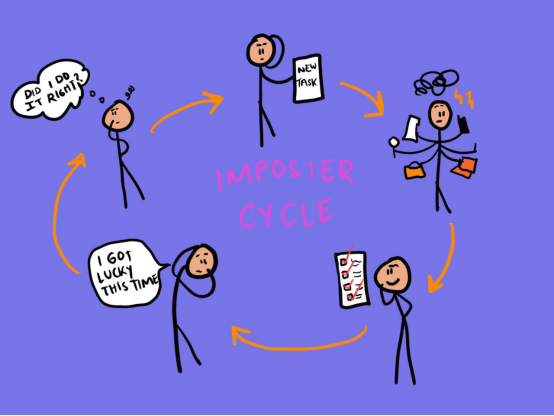
People with imposter syndrome often tend to attribute their success to external factors rather than their own abilities. For example, they may attribute their success to “just good luck” or “someone else’s help,” while overlooking their own effort and talent. This attribution prevents achievement from being transformed into self-confidence, thus perpetuating a negative psychological cycle.
2. Perfectionism
Excessively high standards and a low tolerance for error are key psychological hallmarks of imposter syndrome. Perfectionists often hold themselves to high standards, viewing any slip-up as a sign of inadequacy. This mindset can lead to procrastination, anxiety, and mood swings, while also deepening the fear of failure.
3. Social comparison
Frequently comparing oneself to others’ achievements is a hallmark of the imposter mentality. In the digital age, social media provides endless comparison points, making self-doubt even more prevalent and acute. This psychological pattern often amplifies feelings of inadequacy and makes it difficult for individuals to objectively assess their own worth.
These cognitive patterns interact with each other, creating a negative cycle: self-doubt → reduced attempts → lack of achievement → further reinforcement of self-doubt. If left unaddressed, this cycle can have profound consequences for career development, academic performance, and mental health.
The power of inner narrative
Internal narratives refer to the way individuals interpret their abilities, values, and experiences. Imposter syndrome is often accompanied by negative internal narratives, such as:
“I’m just lucky. Sooner or later I’ll be discovered.”
“I don’t deserve this opportunity.”
“Others are much better than me. I was just lucky.”
Psychological research shows that inner narratives are highly malleable, and proactive intervention and cognitive restructuring can effectively break negative cycles. By identifying, questioning, and replacing negative beliefs, individuals can gradually establish authentic, autonomous self-perceptions, thereby enhancing self-confidence and resilience.
Specific steps of cognitive restructuring
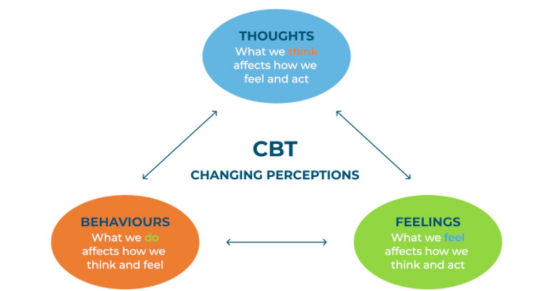
Cognitive restructuring is a psychological intervention that aims to change negative thought patterns and create a more positive and realistic self-narrative. The main steps are as follows:
1. Identify Negative Self-Narratives
Record your thought patterns : In your daily life, record the self-doubts and denials that arise, such as “I’m not smart enough” and “Others will eventually find out that I’m not worthy.”
Analyze triggering situations : Identify situations or pressures that tend to trigger imposter psychology, such as public speaking, delivering an important report, or receiving an evaluation.
2. Question irrational beliefs
Evidence-based approach : Examine whether there is objective evidence for the negative thought. For example, transform “I was just lucky” into “My ability and hard work are also important factors in my success.”
Alternative interpretations : Seeking other possible explanations for negative evaluations to transform self-doubt into a neutral or positive understanding.
3. Rewrite your inner narrative
Affirmative narrative : Replace “I don’t deserve my success” with “I worked hard to achieve results, and I deserve these achievements.”
Make your achievements concrete : Back up your confidence with facts, such as completed projects, certifications earned, or positive feedback from others.
Reinforcing language : Use positive, self-empowering language to describe your behaviors and abilities, such as “I have the ability to solve problems” or “My efforts have produced tangible results.”
Action Strategies and Psychological Practices
Cognitive reconstruction is not only a training of thinking, but also needs to be combined with practical actions to form a sustainable cycle of self-confidence.
1. Small steps and experience accumulation
People with imposter syndrome often hesitate because they fear failure. By setting small goals and completing them, you can gradually accumulate real success experiences. For example:
Voluntarily speak up once in a team meeting
Complete a short-term project and document the results
Submit a small creative work and get feedback
These small successes will gradually break down self-doubt and enhance your confidence.
2. Social support and feedback
Seek objective feedback : Get feedback from mentors, colleagues, or trusted friends to reduce the one-sidedness of self-doubt.
Join a support network : Participate in an imposter syndrome group or a psychological growth community to share experiences and strategies and gain emotional resonance and psychological support.
3. Mindfulness and Emotion Regulation
Mindfulness practice : Observe your inner thoughts without making value judgments, reducing self-criticism and excessive worry.
Emotional Record : Record anxiety, doubt, and frustration, analyze the triggers, and compare them with the facts to reduce the intensity of negative emotions.
Principles for developing long-term self-confidence
Progressive Challenge : Start with low-risk tasks and gradually increase the difficulty, allowing confidence to build on real experience.
Continuous positive feedback : record success, reflect on growth, and internalize positive experiences into stable psychological resources.
Tolerance for failure and imperfection : Recognize that mistakes and uncertainty are part of growth, not a sign of incompetence.
Active self-empowerment : Use real-world evidence to support your perception of self-worth, rather than relying on external recognition or conditions.
Application scenarios and practical significance
Career Development
Imposter syndrome can lead to excessive caution or avoidance in career advancement, team management, or project decisions. Cognitive restructuring and incremental action can improve decision-making confidence and leadership.
Academic and Creative Fields
Scientific research, writing, and artistic creation often involve high uncertainty. Recording every attempt and progress helps build solid confidence and reduces the risk of giving up exploration due to self-doubt.
Social and public expression
When facing public speaking or social situations, imposter psychology can easily lead to anxiety and avoidance behaviors. Through mindfulness, accumulated actions, and positive inner narratives, you can develop a natural and authentic speaking style.
Summary of core psychological mechanisms
Imposter syndrome is essentially a cognitive bias, centered around negative self-narratives and attribution biases. By systematically identifying, questioning, and rewriting internal narratives, combined with progressive action, feedback mechanisms, and emotional regulation, individuals can transform imposter mentality into authentic self-confidence. This not only strengthens psychological resilience but also promotes career development, academic achievement, and social performance.
From psychology to daily practice
Building true self-confidence is not something that can be achieved overnight, but rather a gradual psychological practice process. Through both action and cognitive intervention, individuals can:
Dismantling Negative Inner Narratives
Accumulate real experience and success records
Developing strong, lasting self-beliefs
This self-confidence does not rely on external recognition, but comes from an objective assessment of one’s own abilities and efforts, enabling individuals to cope with the complex and rapidly changing modern living and working environment.